
Build A Profitable Mobile Coffee Business
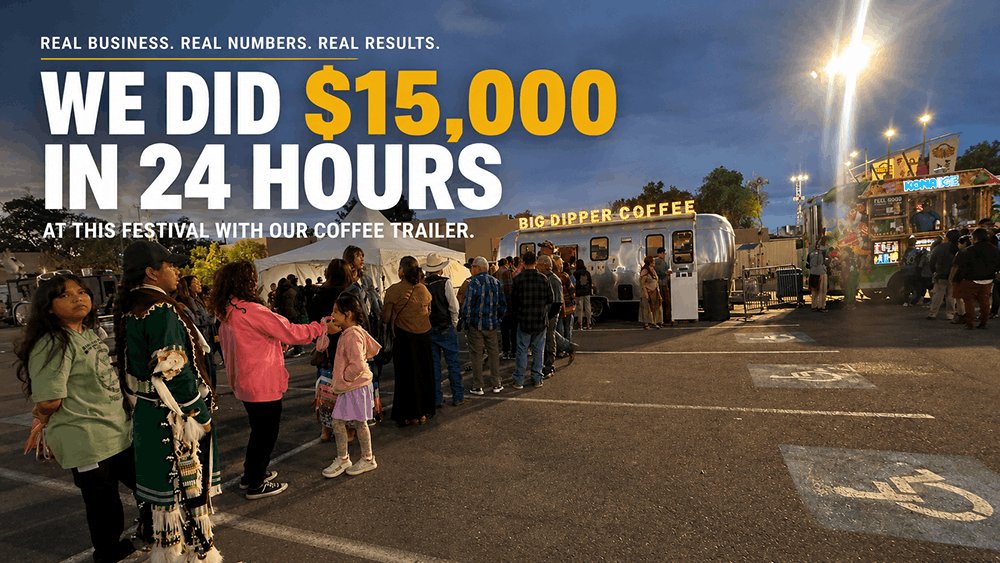
We did over $15,000 in 24 hours at Gathering of Nations with our coffee trailer.
The following week, we made $3,000 catering with our coffee cart.
Most people spend months researching coffee carts and trailers and still don’t know where to start.
Inside Mobile Coffee Startups Club, I teach you how to research:

Permits

Equipment

Profitable Events

Pricing

Buildouts

Startup Costs
Everything I wish someone had shown me before I started.
Who This Is For
This is for people who would rather spend a little extra time making the right decisions than rush into expensive mistakes.
This is for future owners who:
- Want to learn from other people's experience
- Want to minimize their chances of failure
- Want real startup numbers before spending money
- Feel overwhelmed by permits, equipment, and startup decisions
- Prefer mentorship instead of endlessly searching online
- Want a roadmap instead of random advice
- Join a community of like-minded entrepreneurs
Most Coffee Truck Mistakes Happen Before The First Cup
Most people do not fail because they moved too slowly, they fail because they moved too quickly.
I've watched people buy the wrong equipment, build in the wrong order, underestimate startup costs, choose poor layouts, and discover permit issues after money was already spent.
Spending a little time researching upfront can save a tremendous amount of money later.
Inside The Mobile Coffee Startup Club
Inside the membership you'll learn:
- Coffee cart startup costs
- How to obtain financing
- Profit projections
- Coffee truck business startup costs
- Permitting and inspections
- Monthly expenses
- Equipment recommendations
- How to find profitable locations
- Menu creation
- Branding and social media
- Electrical and plumbing systems
- Launch shortcuts and workflow lessons
- How to find profitable locations
We also include milestone checklists so you understand what to do first and what order to move in.
Bonus: Monthly Live Q&A sessions
Bring your lingering questions and get answers directly. Sessions are recorded if you miss them.
Live Q&A sessions: 1st Thursday of every month 6pm–7:30pm ET
Research First. Decide Later.
You do not need every answer today.
You just need a place to learn what it takes.
Founder pricing
$34/month
Limited Time Only
Research First.
Decide Later.
You do not need every answer today.
You just need a place to learn what it takes.
Founder pricing
$29/month
Limited Time Only
July 29th - Aug 2nd
Are Coffee Trucks Profitable?

Coffee trucks, coffee trailers, and coffee carts can absolutely be profitable, but profitability depends on startup costs, workflow, equipment choices, menu design, and location strategy. If you have a large start up cost, big overhead and low margins, you can absolutely lose money.
The key to business success is keeping start up cost the lowest possible to produce quality. Minimizing your rotational expenses and pricing your product high enough to make good money but not to lose sales.
The goal of this club is helping you understand those numbers before investing thousands.

Why Learn From Me?
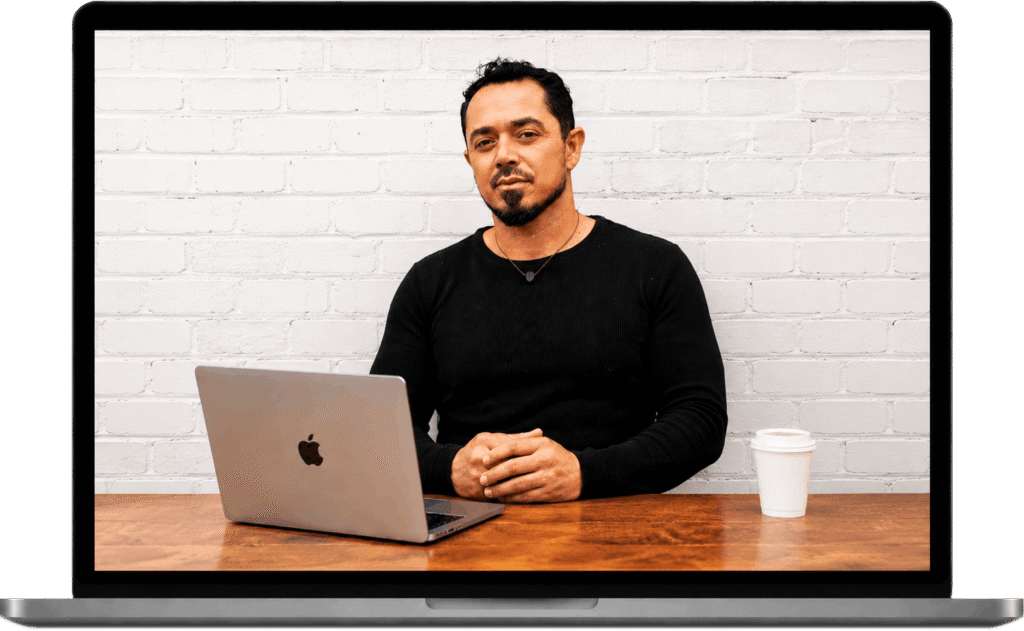
I started with no business background, no construction experience, and no roadmap. Just a burned out paramedic with a dream.
Over the last 10+ years I've owned coffee carts, trailers, and other mobile coffee businesses.
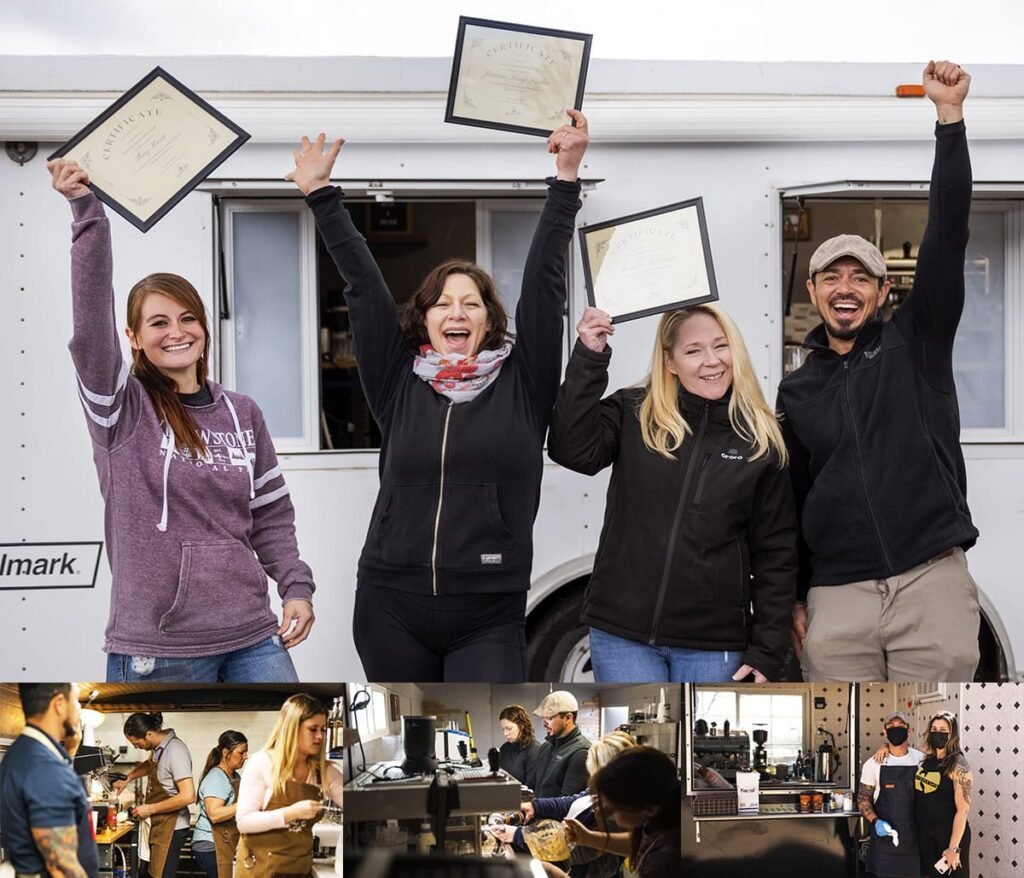
I’ve been teaching mobile coffee classes since 2019 and have a mobile barista school to teach in person training.
I currently operate Big Dipper Coffee (2 carts and an airstream) so I'm here in the trenches too.
I've helped hundreds of people launch and have worked with brands including Simple Carts and Aerobuild.
I've made mistakes, spent money where I shouldn't have, and learned lessons the hard way.
My goal is helping shorten that learning curve at the lowest cost possible.
Our Community
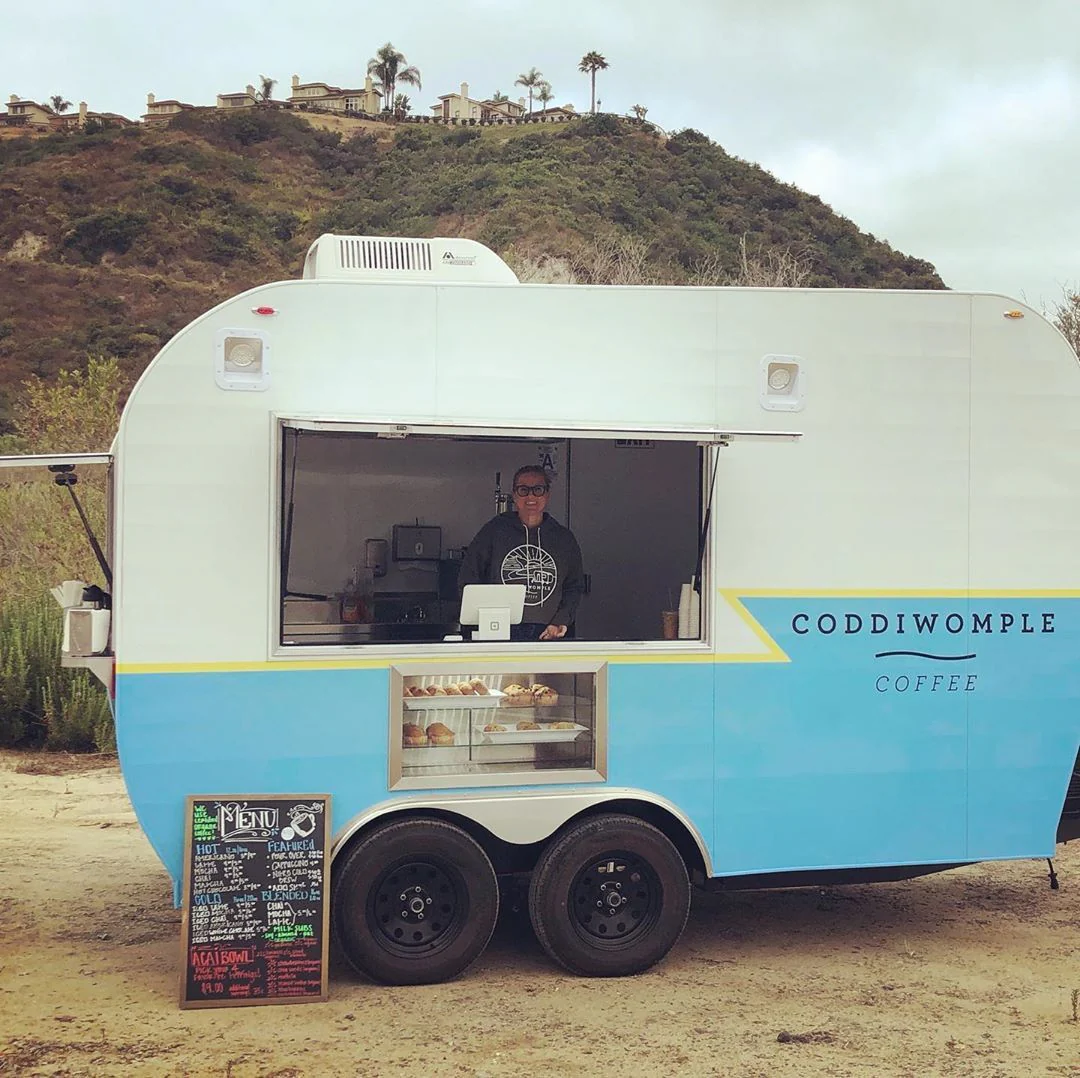
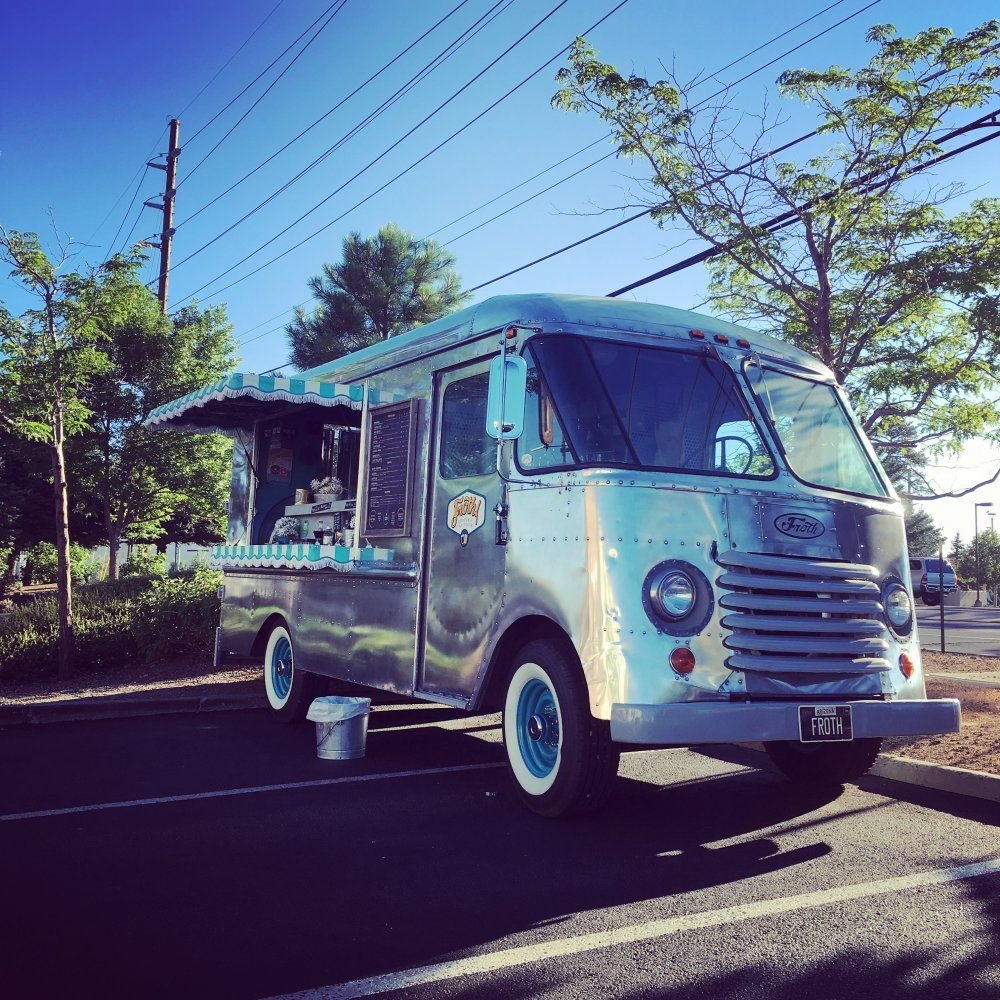
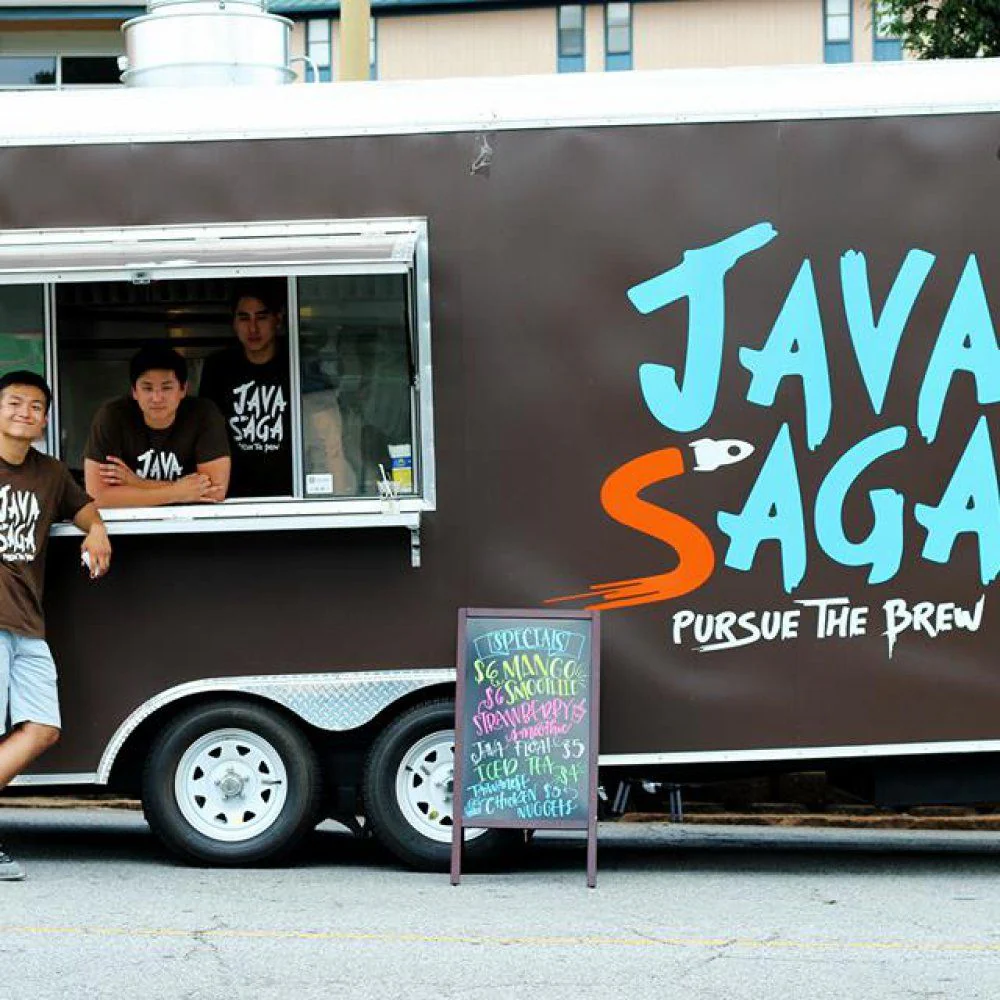
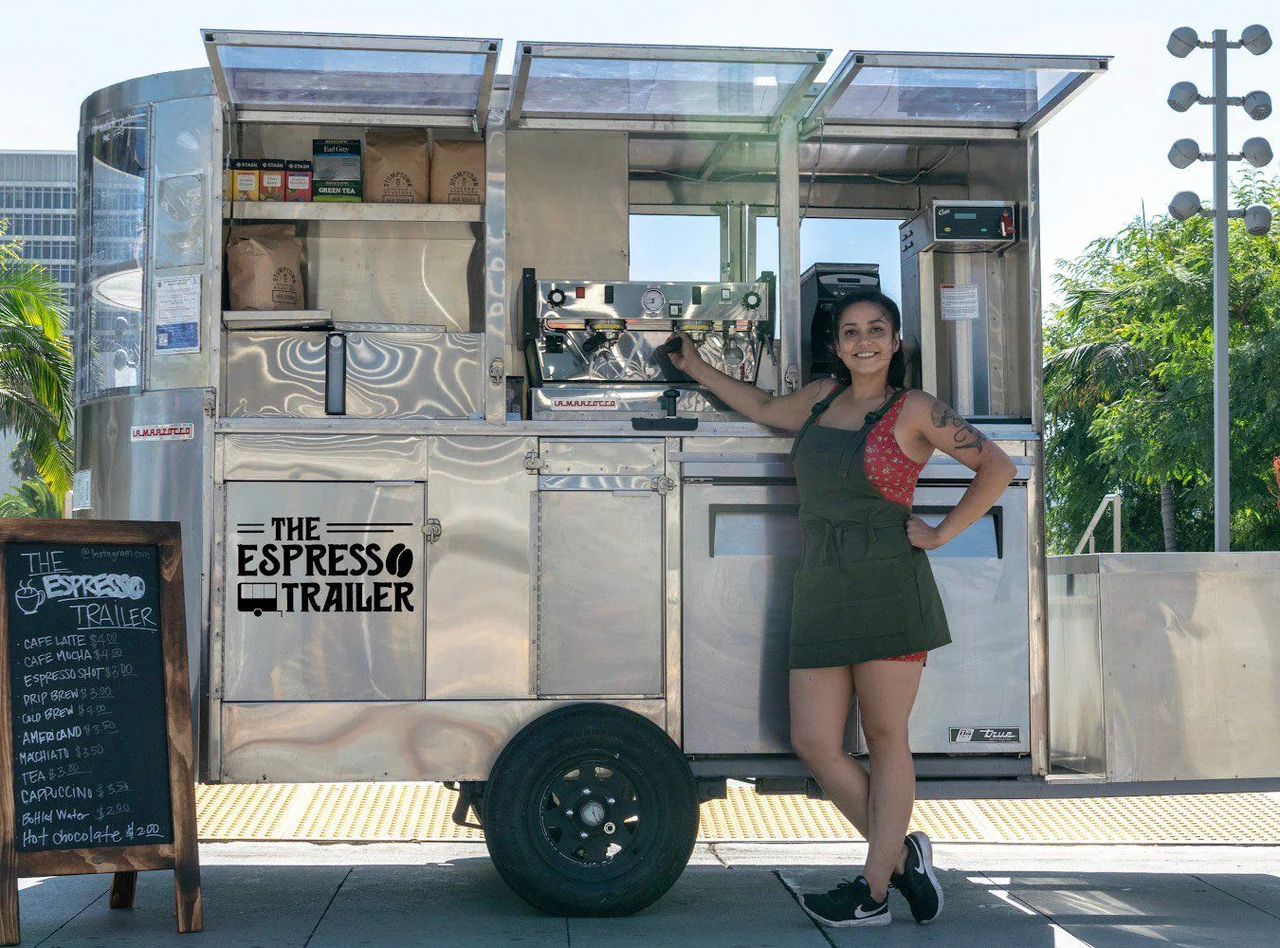
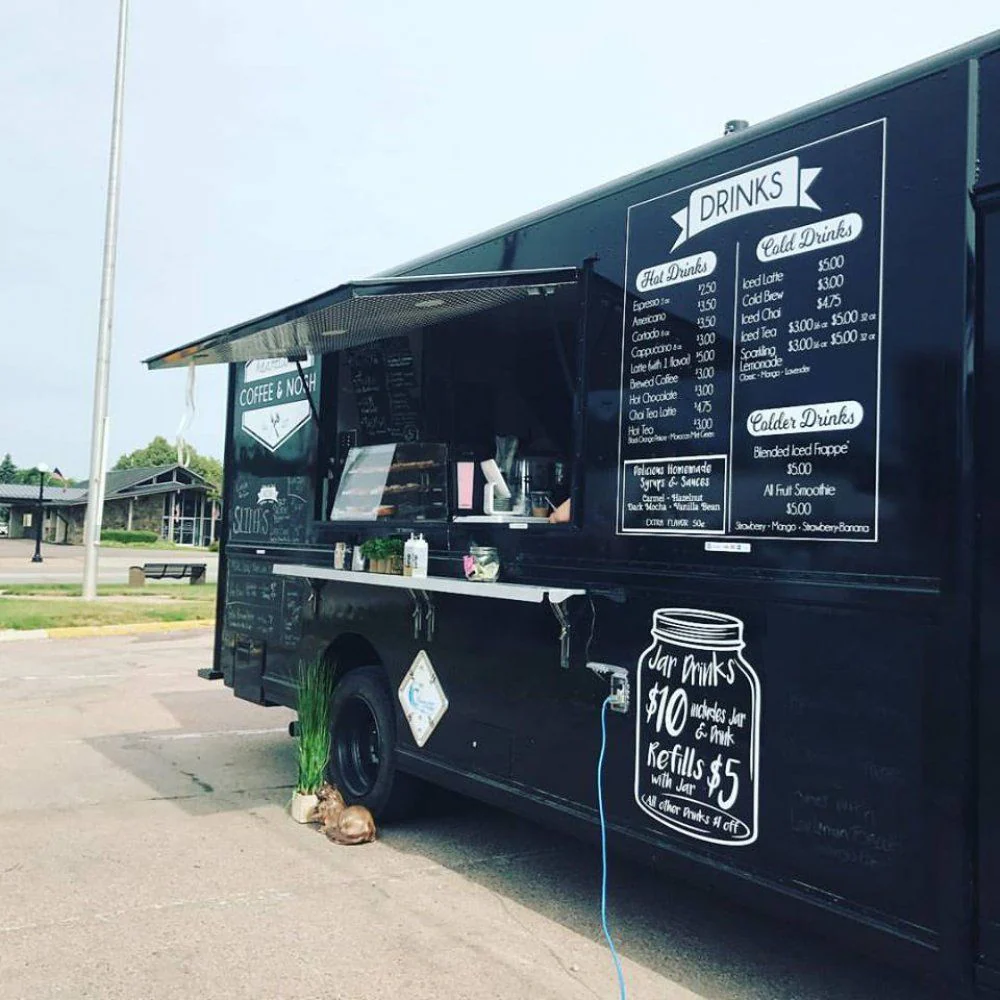
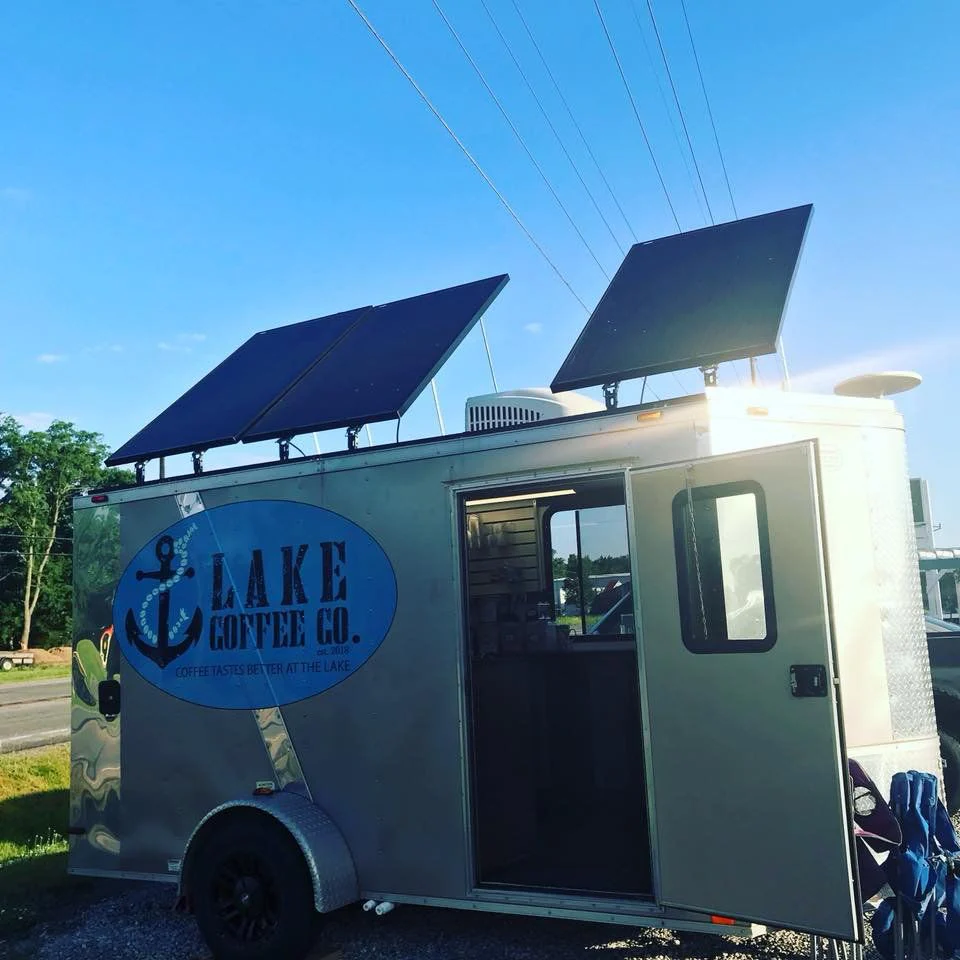
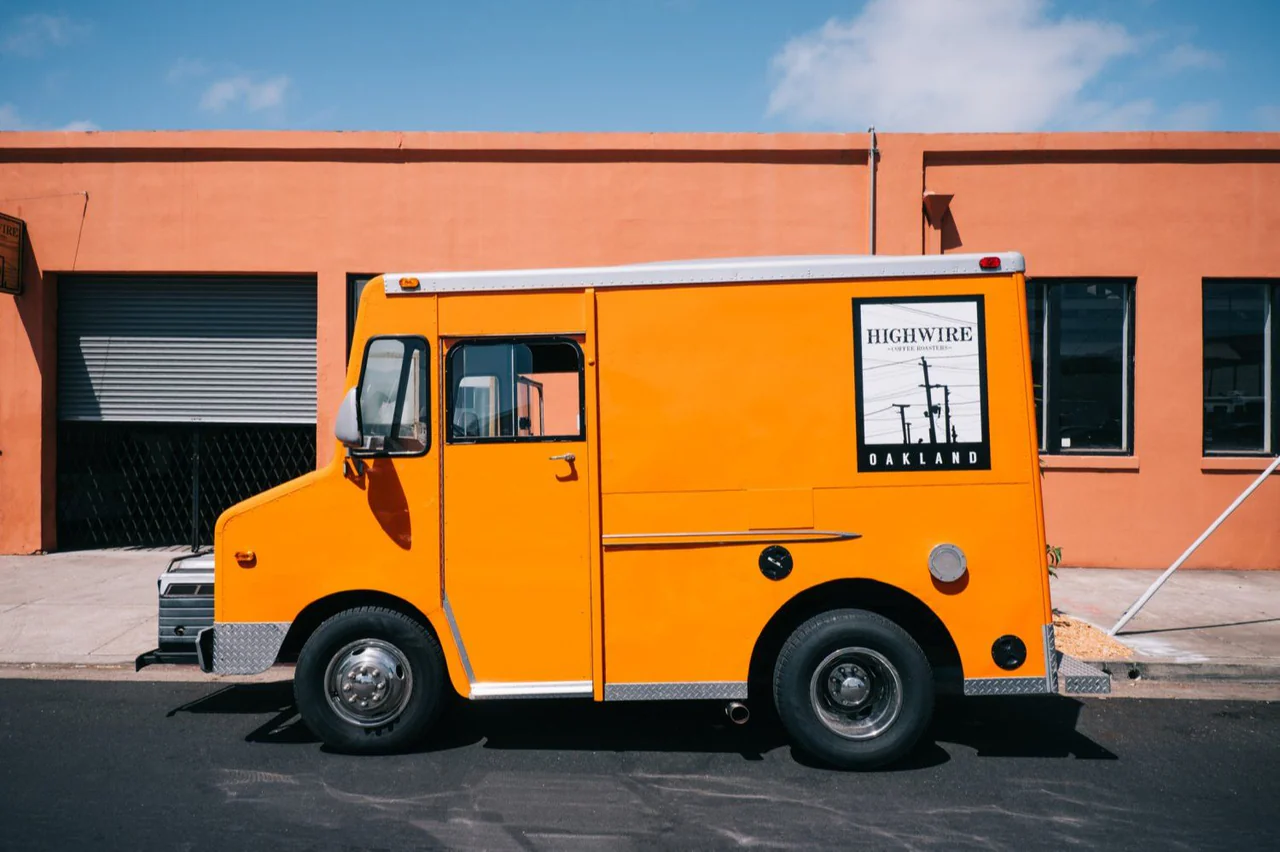
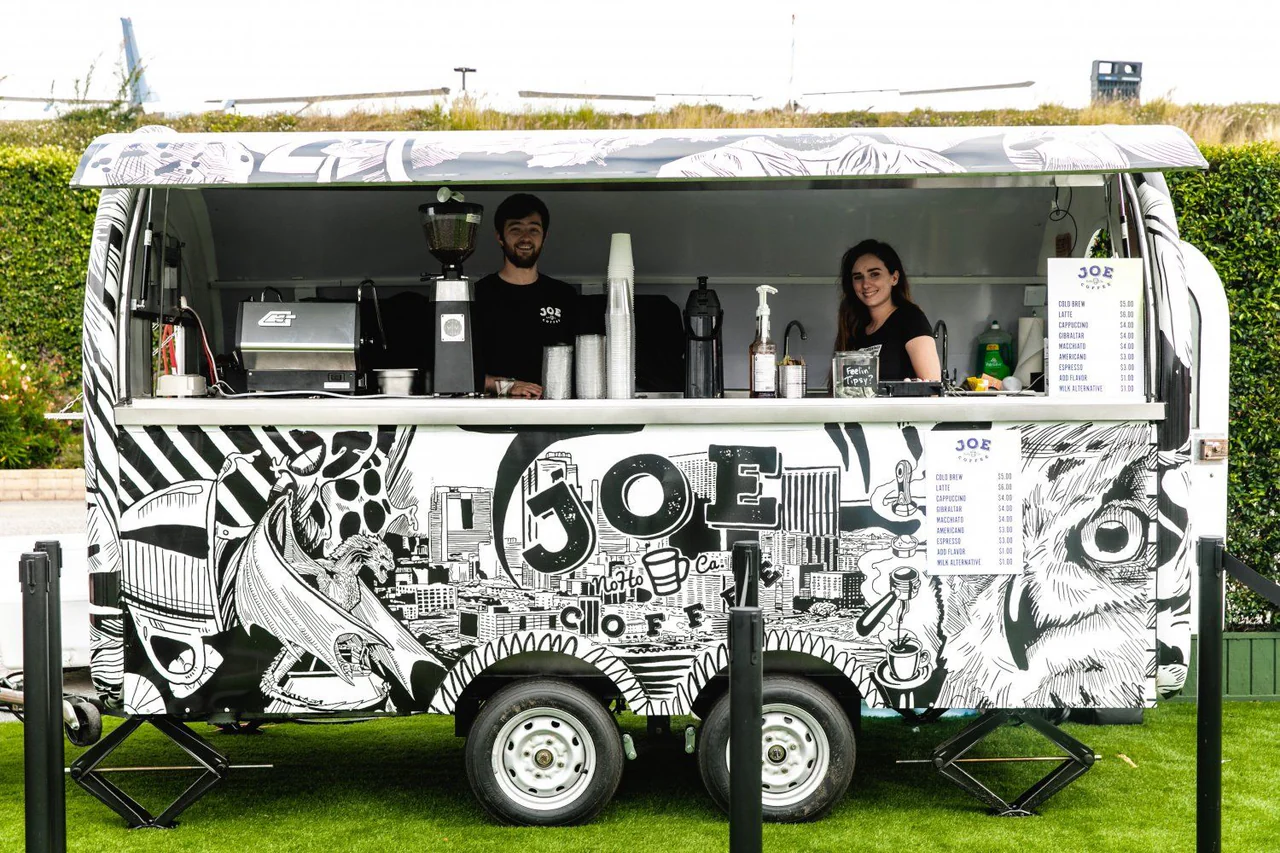
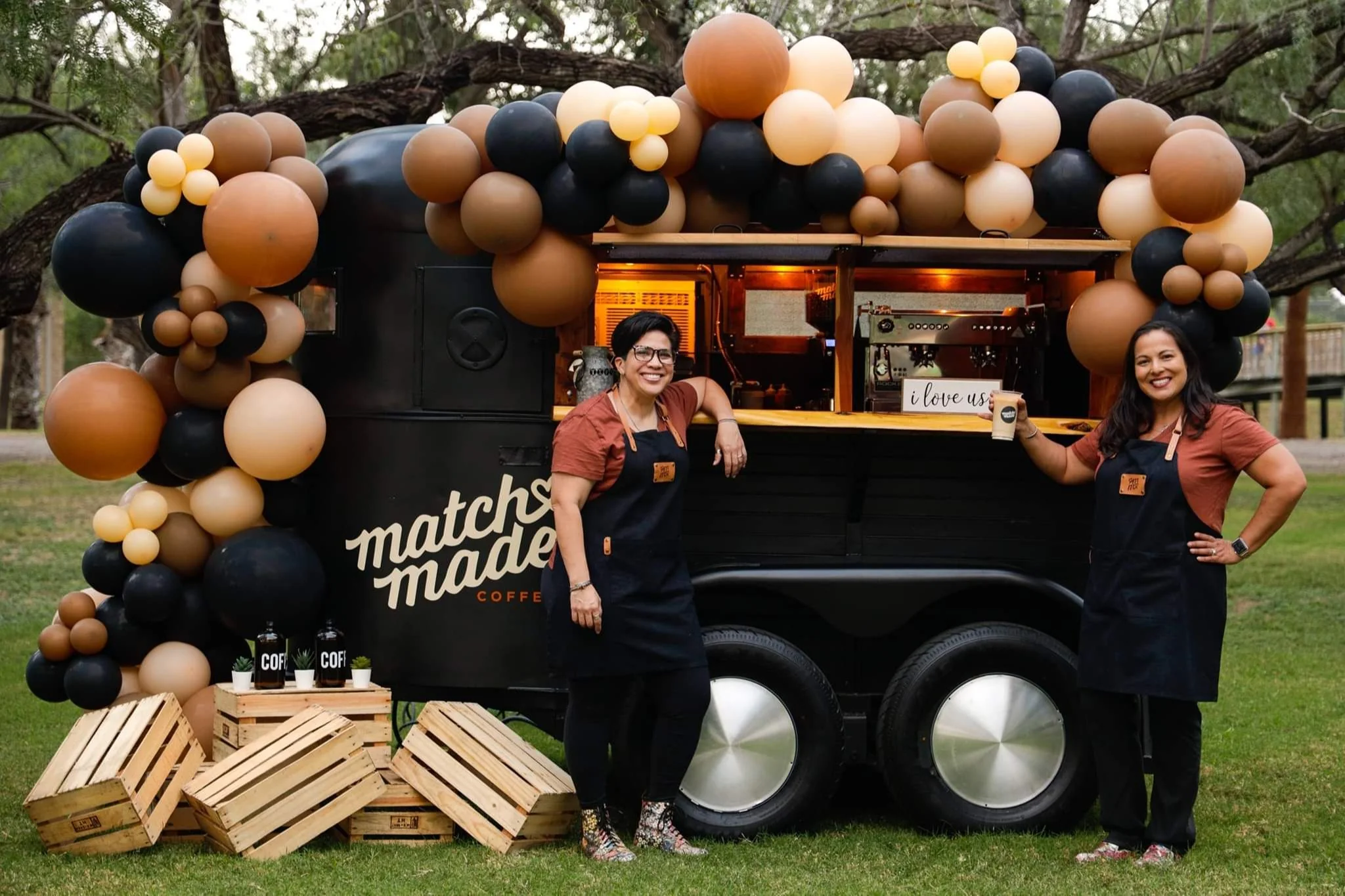
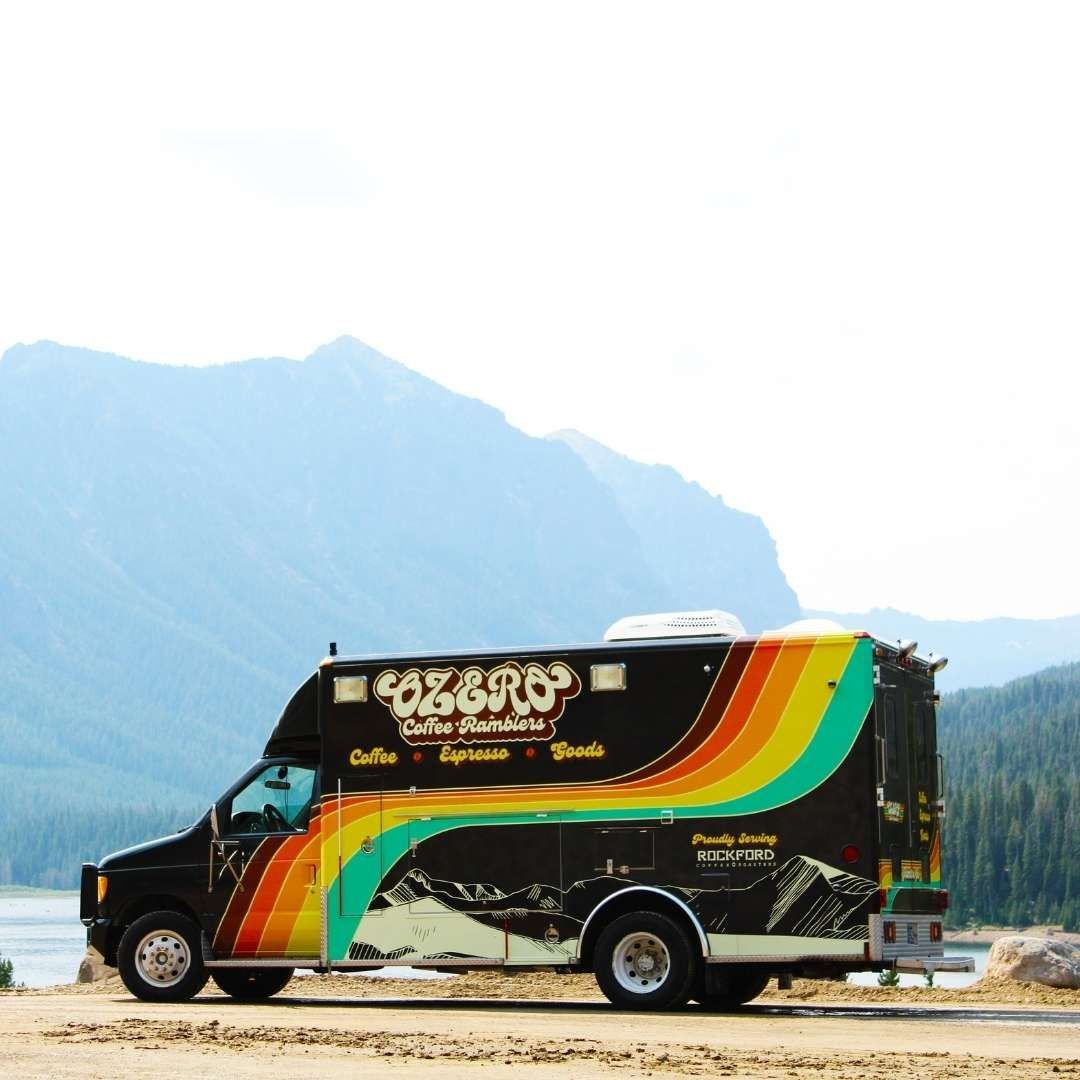

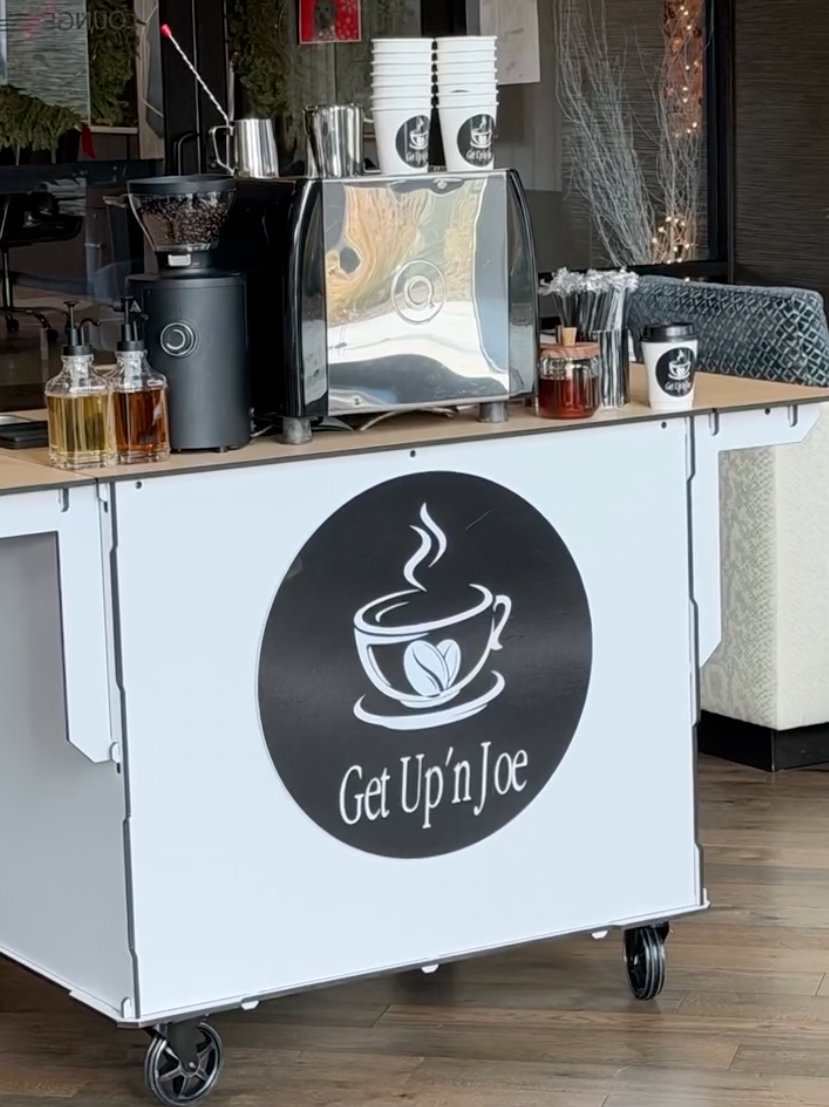
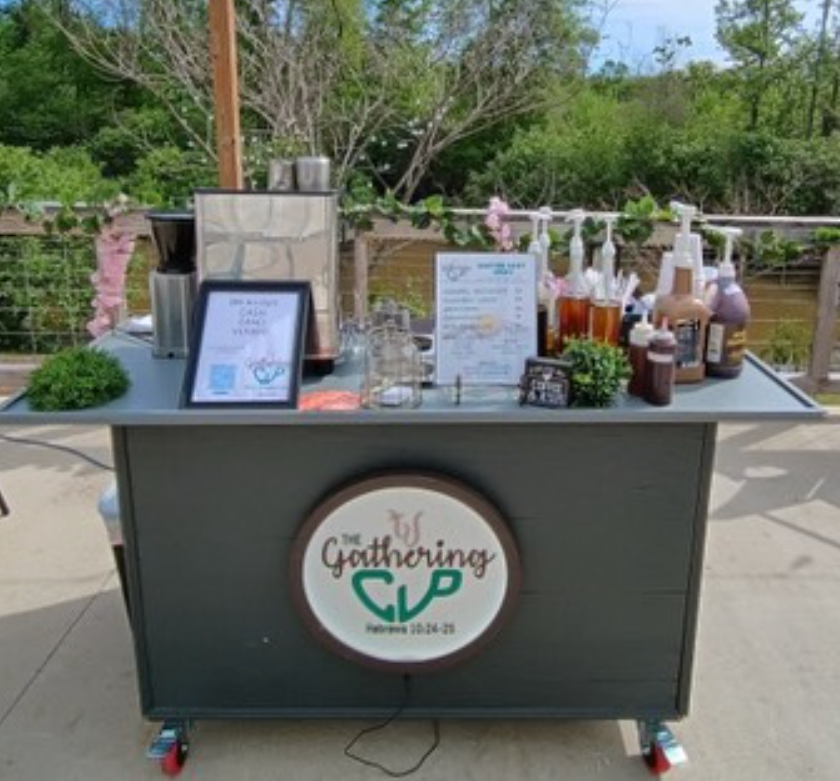
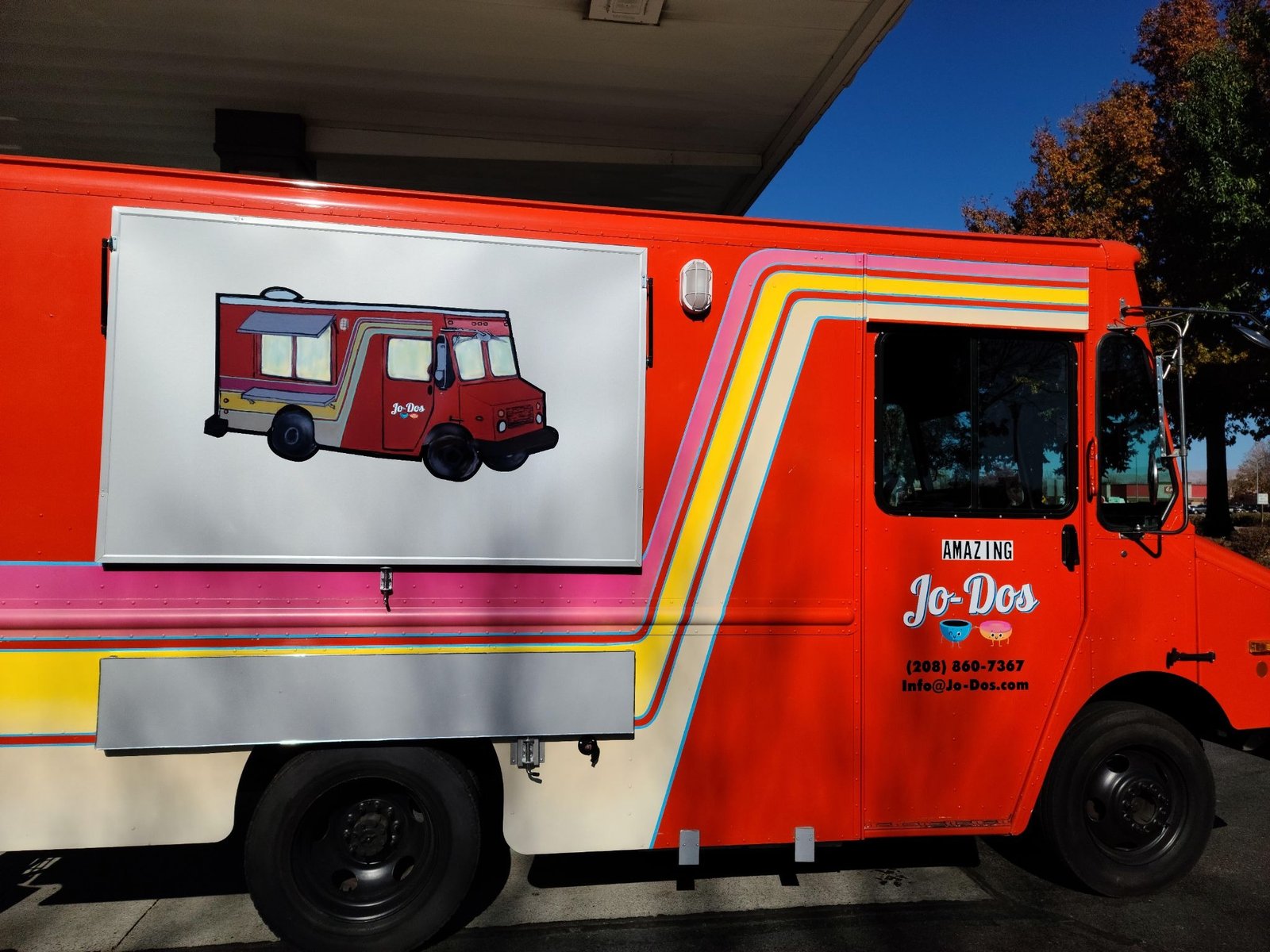
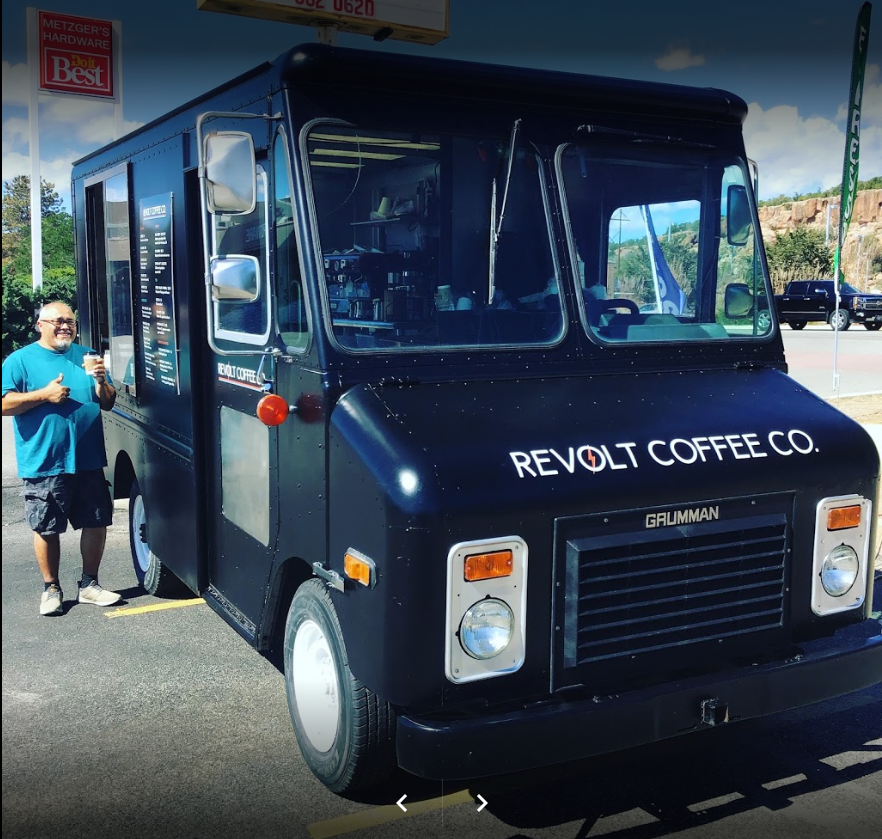
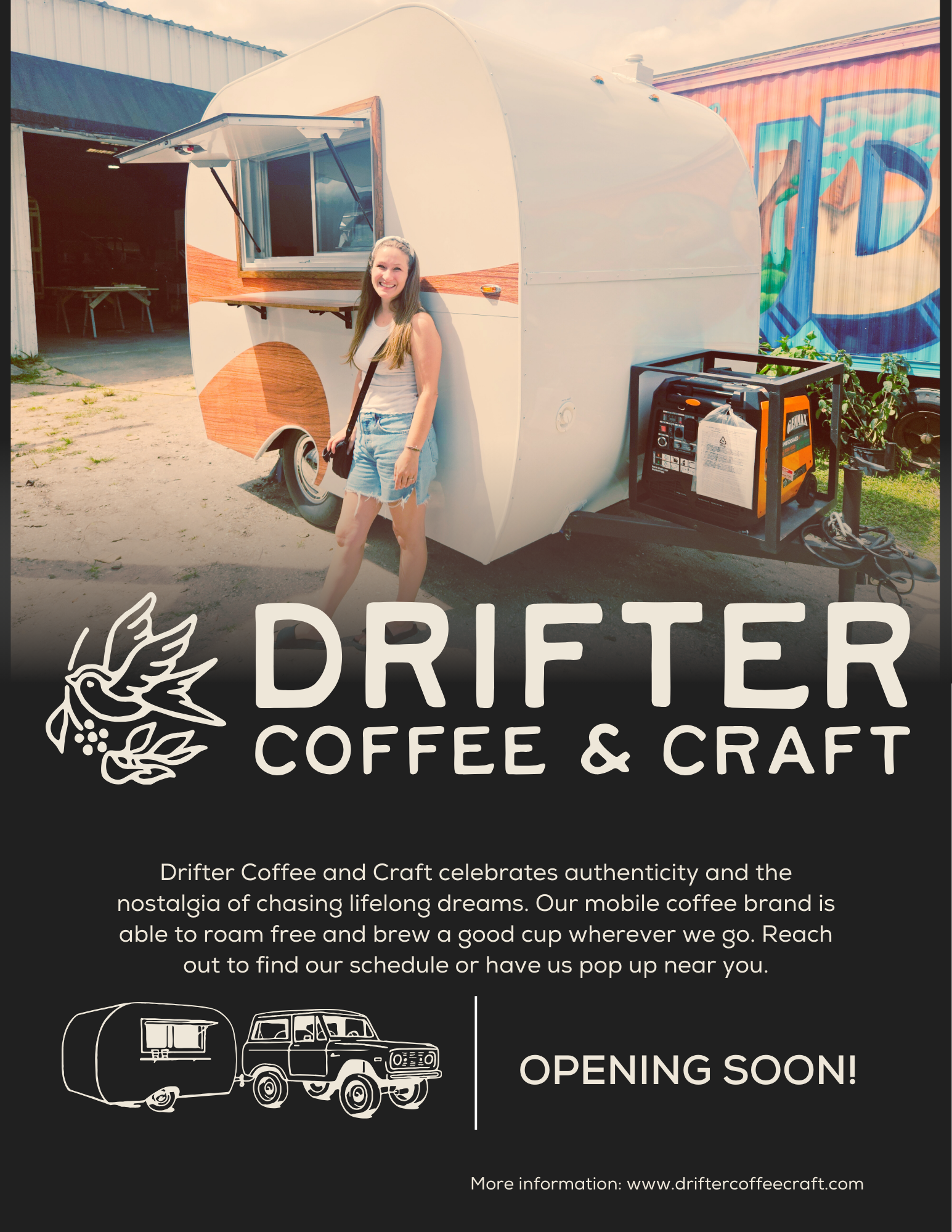
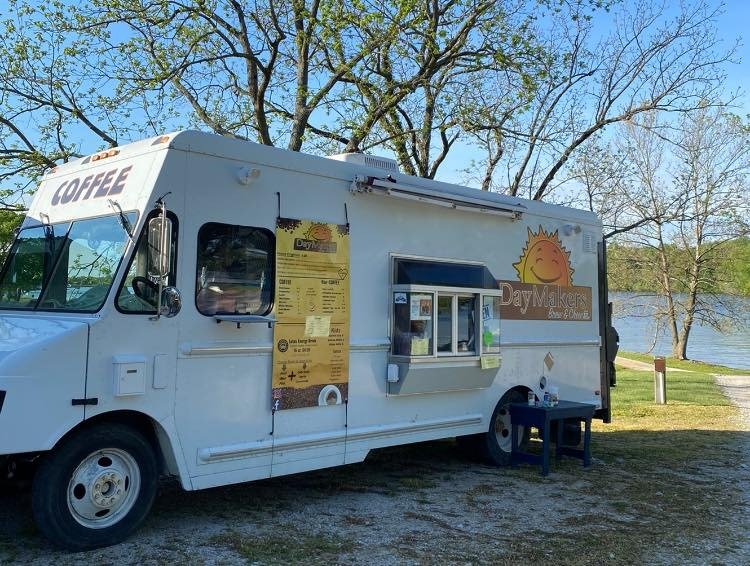
Frequently Asked Questions
The Mobile Coffee Startup Club is a month-to-month membership designed to help people navigate the process of starting a coffee cart, coffee trailer, coffee truck, or mobile coffee business. Members receive access to a growing library of training materials, real-world startup guidance, live Q&A sessions, and community support. The goal is creating an ongoing learning environment rather than simply handing people a few prerecorded videos and sending them on their way.
Absolutely. One of the biggest reasons this membership exists is because people often feel overwhelmed trying to piece together information from YouTube videos, forums, and random social media advice. Members will have opportunities to ask questions, hear real-world examples, participate in live Q&A sessions, and get guidance throughout the startup process. Replays will also be available for members who cannot attend live.
Founder pricing is available to early members and remains active as long as your membership stays active. Membership is month-to-month with no long-term contract, and members can cancel anytime. However, if you cancel and decide to return later, pricing may increase depending on the current membership rate at that time.
Membership access remains active while your subscription is active. If you cancel, access to the membership library, future updates, live sessions, and community resources will end with your subscription period.
No hidden fees. The membership itself is a monthly subscription. The only additional costs members may encounter are optional business-related expenses outside the course itself, such as permits, equipment, commissaries, branding, or startup costs tied to launching their business.
The lessons are not built around one specific state. They are built around national mobile coffee business principles with specific questions, research strategies, and planning frameworks designed to help members navigate their own local health department requirements. Every county and state can interpret codes differently, which is why we focus heavily on helping members understand how to research their individual regulations properly before expensive mistakes happen. We’ve had trucks and carts approved in California, Washington, Texas, Florida, New York and more.
That really depends on your goals and where you are in the process. Some members are simply researching and may spend a few hours per week learning and planning, while others are actively launching and spending much more time working through permits, equipment, branding, locations, and buildout decisions. The membership is designed to be flexible enough for both part-time learners and people moving aggressively toward launch.
The membership combines several formats together. Members receive access to a growing library of educational materials and training videos, along with live Q&A sessions where real-world questions, scenarios, and startup challenges are discussed. Replays are also available for members who cannot attend live sessions. The goal is creating an ongoing learning environment rather than just handing people a course and disappearing.
No. The membership is month-to-month with no long-term contract or yearly commitment. Members can cancel anytime. Founder pricing remains active as long as your membership stays active, but if you cancel and return later, pricing may increase depending on the current membership rate at that time.
Both. The Mobile Coffee Startup Club was designed for people interested in coffee carts, coffee trailers, coffee trucks, and mobile coffee businesses of all types. While every setup has unique differences, the foundation is very similar. Startup costs, permitting, equipment selection, workflow, profitability, health department requirements, locations, branding, and menu development all follow similar principles. Whether you’re researching how to start a coffee truck, trying to create a coffee cart business plan, or deciding between a trailer and a cart, the goal is helping you understand the process before spending thousands.
No. In fact, many people inside the membership are still researching and trying to determine whether opening a coffee cart, coffee trailer, or coffee truck is even the right fit. One of the biggest mistakes I see is people buying equipment, trailers, or carts before understanding startup costs, permits, or what they realistically want out of the business. This club was built to help people make smarter decisions before they invest money.
No. I didn’t have barista experience either when I started. I had to learn by doing and, honestly, I wasted a lot of coffee beans figuring things out. The good news is that coffee skills can be learned. The bigger challenge for most people isn’t making drinks. It’s understanding workflow, startup costs, permits, menu design, and business fundamentals. If you’re willing to learn and stay committed, you can absolutely develop the skills over time.
No. Experience helps, but many successful owners start with little or no business background. The goal is not to become an expert overnight. The goal is building a coffee business with strong fundamentals so it can survive mistakes, hard times, and the normal learning curve that comes with entrepreneurship. We focus heavily on helping members avoid expensive errors while they grow into the business.
Startup costs vary dramatically depending on whether you choose a coffee cart, coffee trailer, coffee truck, kiosk, or catering model. Costs can range from several thousand dollars for lean startup models to well over six figures for larger custom builds. Inside the membership we break down startup cost examples, real budgets, equipment decisions, and different ways people structure their businesses.
Coffee trailer startup costs vary quite a bit depending on whether you buy used, build from scratch, purchase a custom trailer, or choose a turnkey setup. Equipment, plumbing, electrical, generators, permits, branding, and health department requirements all affect cost.
The cheapest fully equipped setup I’ve personally seen was around $8,000, but that person had a tremendous amount of help from friends and family. Most people I work with land somewhere around $20,000 and above. Larger custom builds with premium equipment and more complex layouts commonly reach $50,000–$60,000 or more.
Inside the membership we break down real startup examples, budgets, and where money actually goes so you can avoid expensive surprises.
Startup timelines vary depending on your business model, equipment availability, permitting process, and whether you are launching a coffee cart, trailer, or truck.
The fastest launch I’ve personally seen was around 12 weeks. The biggest bottleneck is usually the health department process and getting your applications submitted correctly and early. Other delays often come from builders, fabrication timelines, overseas equipment shipping, inspections, and custom parts.
One reason we focus so heavily on planning is because understanding the sequence early can save months later.
In most cases, yes.
Every state and county is different, and menu choices can change your requirements, but roughly 85% of the time mobile coffee businesses need a commissary relationship of some kind.
Many people discover this after they already purchased equipment or started building, which can create headaches quickly.
I dedicated an entire chapter to commissaries because there are several approaches people overlook. We cover how to find one, negotiate trades, locate low-cost options, get creative arrangements, and even situations where becoming your own commissary may be possible.
Permit requirements vary by state, county, and business model. Health permits, business registration, seller permits, food handler certifications, commissary agreements, and fire requirements are all common pieces of the process.
This is also one of the biggest areas of confusion because people hear advice from different states and assume it applies everywhere.
Inside the membership we spend a lot of time helping members understand the permitting landscape and the questions they should ask before expensive mistakes happen.
There is no universal “best espresso machine.”
The right machine depends on your menu, projected volume, workflow, budget, electrical limitations, and long-term goals.
I always tell people to focus on dependable equipment that is sturdy, fairly priced, easy to service, and has parts readily available. Service matters because if you’re successful, that machine will work hard. Heavy use means maintenance, repairs, and replacement parts eventually become part of the game.
I’ve watched people overspend on machines because they looked impressive instead of selecting equipment that fit their business model.
This decision usually comes down to resources more than excitement. Time, budget, energy, family commitments, startup capital, and long-term goals all play a role. Bigger is not always better, and one of the biggest mistakes I see is people choosing based on emotion instead of choosing based on what they can realistically execute.
Coffee carts often create lower risk, faster learning, and an easier way to test the market. Coffee trailers can create more capacity, menu flexibility, and greater upside, but they also bring more moving pieces, more equipment, more buildout considerations, and usually more startup capital.
I think people get into trouble when they ask, “Which one makes more money?” before asking, “Which one actually fits my life?”
Inside the membership we spend a lot of time helping people understand that difference because choosing the right starting point can save a tremendous amount of money, stress, and time later on.
Absolutely.
Many owners begin with weekends, weddings, catering, farmers markets, and events while keeping a full-time job.
Starting part-time can reduce risk and help people test the market before making larger commitments.
The key is understanding the needs of your business model first. If your plan involves large festivals and volume-based events, your equipment and workflow need to support that demand. Different business models require different approaches.
Coffee businesses are almost everywhere because coffee is almost everywhere. Roughly 85% of Americans drink coffee, which creates a tremendous number of opportunities.
Weekend strategies often focus heavily on events, festivals, weddings, and volume-based business.
Weekday strategies often shift toward offices, business parks, schools, hospitals, routes, and catering.
Different models create different opportunities, which is why we spend time helping members understand where specific business models fit best.
Buying equipment too early, misunderstanding permits, underestimating startup costs, building in the wrong order, poor workflow design, and skipping profitability calculations are all common mistakes.
The short answer:
Not doing enough research.
Most expensive mistakes happen before selling the first cup.
Yes, but there is a major difference between operating a coffee business and operating a profitable coffee business.
Pricing, locations, workflow, startup costs, operating expenses, menu design, and business strategy all matter.
I’ve watched people sell hundreds of drinks and struggle financially, while others built strong businesses because they understood their numbers early.
That’s exactly why we spend so much time focusing on profitability before people start spending money.
Research First.
Decide Later.
You do not need every answer today.
You just need a place to learn what it takes.
Founder pricing
$29/month
Limited Time Only
July 29th - Aug 2nd